Introduction
Embarking on a home renovation task can seem like standing at the base of a hill, staring up at the peak with both enjoyment and concern. Among the numerous jobs that homeowners commonly consider, setting up interlacing pavers stands out as an exceptional option for improving curb charm and functionality. Yet just how do you change a plain concept into a spectacular fact? In this detailed guide, "From Concept to Completion: Documenting Your Interlocking Paver Project Trip," we will certainly stroll you via every stage of your paver setup trip, ensuring that you're not simply educated yet additionally equipped to make the best decisions along the way.
Whether you're envisioning a brand-new patio, driveway, or walkway, having an organized plan is crucial. This article will cover whatever from choosing the right paver installer to understanding paving installment methods, recording your task's progress, and making sure long-lasting outcomes. So order a cup of coffee and resolve in as we look into this transformative journey!
Understanding Interlocking Pavers
What Are Interlocking Pavers?
Interlocking pavers are precast concrete blocks designed to fit together perfectly. They come in numerous shapes, dimensions, shades, and structures, providing countless design opportunities. Unlike standard put concrete surface areas that can split and use in time, interlocking pavers supply sturdiness and flexibility. Their unique design permits them to change a little under pressure without cracking.
The Benefits of Using Interlocking Pavers
Choosing interlocking pavers for your project includes a number of advantages:
- Durability: These pavers can endure heavy loads and extreme climate conditions. Aesthetic Charm: With countless styles readily available, they improve visual interest. Low Maintenance: Normal cleaning and periodic resealing are all that's usually needed. Easy Repair work: If a paver becomes damaged, it can be quickly replaced without impacting bordering stones.
Common Makes use of for Interlocking Pavers
Interlocking pavers are functional and can be made use of in different setups:
- Patios Driveways Walkways Pool decks Garden paths
Planning Your Paver Setup Project
Setting Your Goals
Before diving into your interlocking paver task, it's essential to specify clear objectives. What is your main inspiration? Is it suppress appeal improvement or increased outdoor living space? Recognizing your goals will assist lead your style choices.
Budget Considerations
Setting a budget is important for any home improvement project. Consider the expenses related to products, labor (if employing a professional), permits, and added attributes like lighting or landscaping.
Table: Approximated Prices for Paving Installation
|Thing|Approximated Cost|| ----------------------|-----------------------|| Products (pavers)|$2 - $15 per sq ft|| Labor (installer)|$3 - $10 per sq ft|| Base materials|$1 - $5 per sq feet|| Sealant|$0.50 - $2 per sq feet|

Choosing the Right Location
Evaluate where you 'd like to mount your interlocking pavers. Elements such as sunshine direct exposure, water drainage concerns, and closeness to other structures should be considered.
Selecting Your Paver Installer
Finding Qualified Professionals
When it comes to paving setup, hiring an experienced paver installer is essential. Search for experts that have good evaluations online and request suggestions from good friends or family.
Questions to Ask Possible Installers
Before making your option of installer, take into consideration asking these inquiries:
What experience do you have with interlacing pavers? Can you give referrals from previous clients? What guarantees do you offer on materials and labor?Getting Estimates
Once you have actually narrowed down possible installers, request written estimates from numerous experts. This step aids make sure openness pertaining to prices involved in leading installation.
Designing Your Interlocking Paver Layout
Choosing Colors and Patterns
Paving stones are readily available in a myriad of shades and patterns-- make certain to pick choices that harmonize with your home's architecture.
Popular Patterns for Interlocking Pavers:
- Herringbone Basketweave Running Bond Circular Designs
Creating a Thorough Format Plan
A well-thought-out layout plan not just ensures appearances but also aids in effective use materials during installation.
Preparing the Site for Installation
Clearing The Area
Before any type of work starts, clear the location of any type of existing plants or debris that could disrupt the paving setup process.
Excavation Refine: Comprehending Deepness Requirements
Excavation depth is usually around 6-- 8 inches for most setups; nonetheless, this may differ based upon soil conditions and intended use.
Tips for Reliable Excavation
Use proper devices like shovels or backhoes. Ensure appropriate drainage by grading the area away from structures. Test dirt security before proceeding.Base Preparation: The Foundation of Success
Importance of Appropriate Base Layers
The base layer gives stability for your interlocking pavers; thus it's essential not to overlook its preparation.
Steps Involved:
Compact the dirt using a plate compactor. Add a layer of crushed rock (usually 4 inches). Follow up with sand as a leveling layer (around 1 inch).Installation Techniques: Obtaining It Right Every Time
Laying Down Your Very first Row
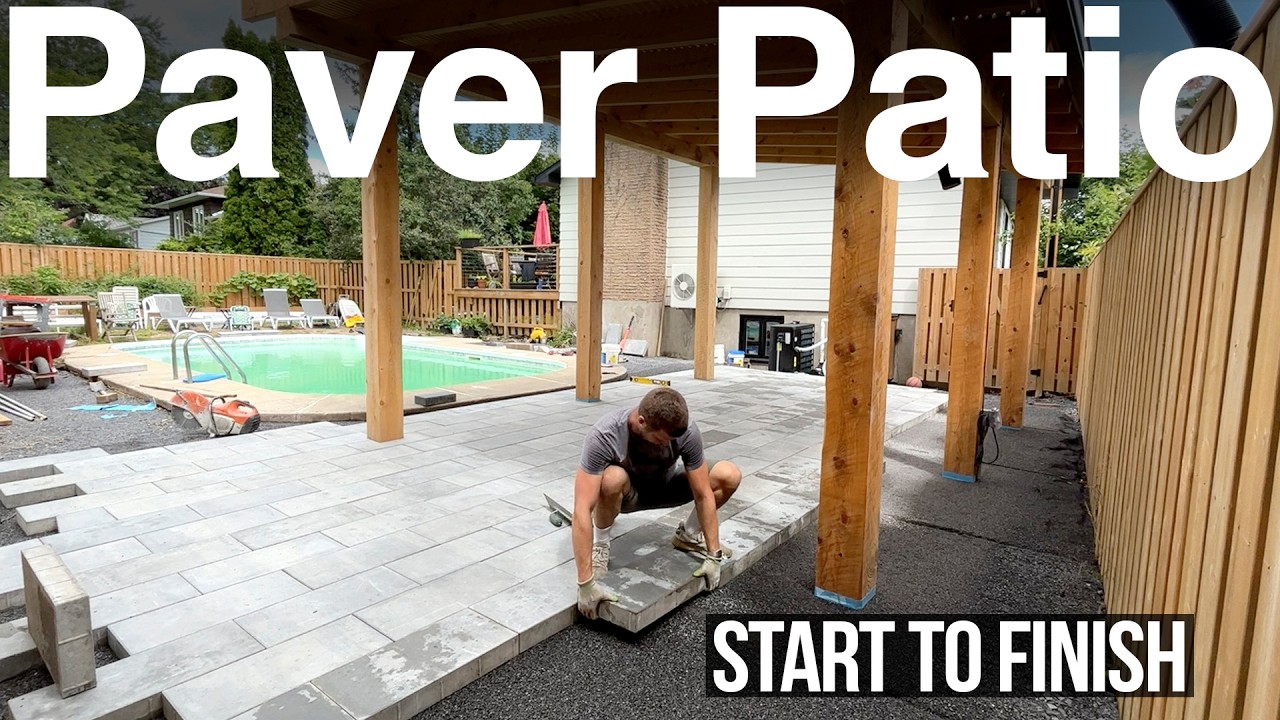
Begin setting pavers starting from one edge while ensuring they are lined up correctly according to your layout pattern.
Cutting Pavers: Perfect Fit
Not all areas will permit full-sized stones; therefore reducing might be required using specialized tools like wet saws or angle grinders.
Finishing Touches: Enhancing Sturdiness & Aesthetics
Joint Sand Application
Once all pavers are laid out appropriately, use joint sand in between them; this protects against moving while improving security over time.
Sealing Your Smooth Surface
Applying sealer is optional however recommended as it shields against stains while including extra shine!
From Concept to Conclusion: Recording Your Interlocking Paver Project Journey
Documenting every step aids track progress while giving useful insights right into what jobs best during future jobs! Take images at each phase-- from planning via installation-- so you have plenty of memories captured along this journey!
FAQs Concerning Interlocking Paver Projects
Q1: Just how do I preserve my interlocking paver surface?
A1: Normal sweeping followed by occasional power cleaning keeps dirt at bay; resealing every couple of years improves long life too!
Q2: Can I install interlocking pavers myself?
A2: While do it yourself is possible if experienced enough-- working with specialists makes certain quality workmanship!
Q3: What need to I consider when picking colors?
A3: Choose colors that enhance existing frameworks while factoring in climate results on color longevity over time!
Q4: The length of time does an ordinary paving installation take?
A4: Normally anywhere between 1-- 3 days depending upon complexity & & size!
Q5: Are there environment-friendly options available?
A5: Absolutely! Numerous business supply absorptive alternatives allowing water drain which profits landscape design significantly!
Q6: Can interlacing pavers endure freeze-thaw cycles?
A6: Yes! They're made clearly keeping differing climate condition in mind offering outstanding resistance versus such challenges!

Conclusion
Completing an interlocking paver task uses substantial visual renovations while increasing residential or commercial property value-- and participating in "From Idea to Completion: https://penzu.com/p/acbc5a0550cf82b5 Documenting Your Interlocking Paver Task Journey" makes certain nothing slides via fractures! Utilize our standards covering preparation actions via final touches while recognizing advantages connected directly back towards quality setups implemented by employing trustworthy professionals!
So do not postpone any type of longer; take those initial steps toward changing exterior areas today!